
Gulf allies start choking on Trump’s Iran war
Trump has proved unable to protect the Gulf nations, and their alliance with the U.S. is now proving more of a liability than an asset

Trump has proved unable to protect the Gulf nations, and their alliance with the U.S. is now proving more of a liability than an asset

Trump has failed to topple the regime in Tehran, writes Alastair Crooke, and his use of economic pressure is unlikely to succeed

Can Trump force Netanyahu to comply with the peace deal? Or will the Israeli prime minister show that he is America’s real boss?
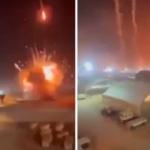
New tactics and the ability of Iranian missiles to alter course mid-flight has helped confuse U.S. missile air defences. Causing them to launch more expensive U.S. interceptor missiles than was necessary — exactly as Iranian forces intended
“This is a catastrophe”, says Douglas Macgregor. “It is a catastrophe on a global level … It hasn’t hit us yet … but in the next sixty days there is going to be hell to pay inside the United States.”

The pinnacle of US military power was the Desert Storm campaign in 1991. But that was 35 years ago and the US has lost pretty much every major war since then. Hua Bin explains

USS Abraham Lincolns supply problems began in the first few days of the war when Iranian missiles and drones struck a naval base in Bahrain, which served as an essential U.S. supply hub

Is Trump delusional? How does he intend to lay claim to the waterway, when US Navy personnel in the region are virtually out of munitions, and food and are reportedly on the brink of mutiny?
Food shortages, lack of soap, clean water and other basic necessities are not just confined to the USS Abraham Lincoln. Similar conditions are being reported from other U.S. Navy ships and military installations across the region
It’s dawning on a growing number of U.S. servicemen and women that they are not fighting an existential threat to America. Some are beginning to understand that the war with Iran is being fought for Israel. Col. Douglas Macgregor explains

Iran claims to have shot down another U.S. M.Q.-9 Reaper drone. Bringing the total number of U.S. Reapers shot down since the start of the Iran-U.S. war to 45. The U.S. had approximately 185 Reapers in service at the start of the war. So Washington has now lost more than a quarter of them to Iranian fire
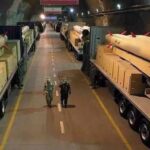
Israeli officials now believe that Iran is prioritising missile production and other strategic capabilities. If it returns to manufacturing between 100 and 300 ballistic missiles per month, as planned, it could restore its arsenal to June 2025 levels by early or mid-2027