
Alexander McKibbin – The Daily Sceptic Nov 1, 2026
Bernie Taupin wrote the lyrics for one of Elton John’s best-remembered hits, ‘Sorry Seems to Be the Hardest Word’, featured on the 1976 album Blue Moves. The word ‘sorry’, however, has, through overuse, had its currency devalued by some margin. In a similar vein, Kenneth Tynan’s utterance of the F-word on television – which caused outrage at the time – seems positively mainstream now, with every gritty drama or comedy larded with this once-offensive word.
Yet ‘sorry’, when said in the right context and genuinely meant, can convey sincere regret and go some way towards atoning for a transgression. What sticks in my craw is the way politicians scatter the word liberally, so that it has no potency whatsoever. Apologising is now a mere babbling brook of insincerity.
This absurd fashion has of course been going on for decades, but it was really kicked into the premier league of vacuity in 1997 by the then Prime Minister Tony Blair, who took it upon himself to deliver one of his more pious sermons, apologising for the Irish potato famine – a truly ghastly episode that took place almost 150 years before he rose to political prominence.
The Journal of Conflictology published this abstract on its website in 2014:
In June 1997, Prime Minister Tony Blair issued a statement expressing remorse for the British government’s inaction to assist the Irish during the potato famine of the late 1840s. Blair’s contrition was met with praise and criticism, but it proved be part of the larger narrative in the peace negotiations within Northern Ireland. Although Blair’s apology is often cited as an exemplar of political leaders apologising for historical injustices, little actual scholarly work on this subject has been conducted. To that end, this paper examines Blair’s potato famine apology through the theory of collective apology. We argue that collective apologies serve to build, repair, renew, and strengthen bonds between communities harmed by historical wrongdoing. Moreover, collective apologies are meditations in collective memory about the past, present and future relationship between communities.
Heralded at the time as a momentous occasion, the apology can now be seen, for all the vaunted talk and expert analysis, to have been just what it appeared – sheer bunkum.
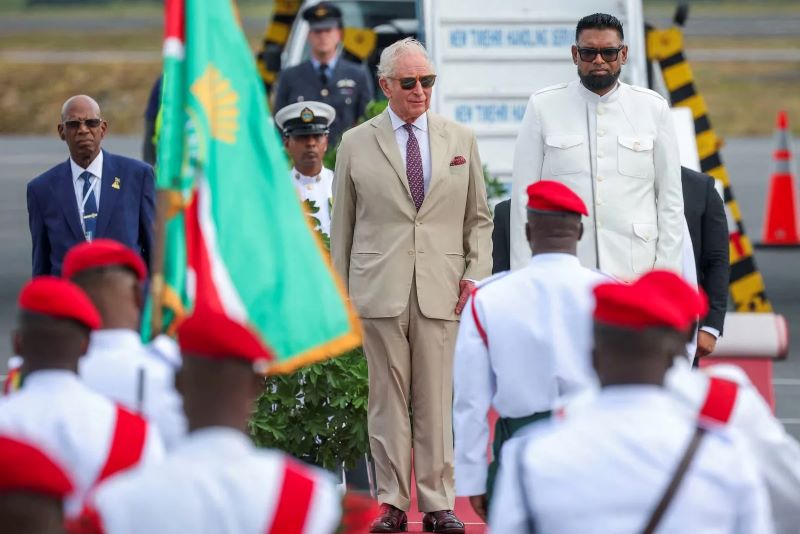
For many Daily Sceptic readers, I would imagine, all the current focus on whether the King will apologise for slavery will come merely as an irritating and inconsequential diversion. If he donned a hair shirt and prostrated himself, wailing and gnashing his teeth in remorse at something that happened 200 years ago, would it mean anything?
The only ones eagerly observing and encouraging a fulsome mea culpa are those hoping for the line of three cherries and a cascade of cash from the UK Government’s well-oiled fruit machine, which they have witnessed perpetually paying out over the years to all sorts of chancers and scams.
It was only a matter of time before our current Prime Minister, seeing a passing bandwagon that he divined would benefit from him jumping on it, felt emboldened to bend his intellectual nous to deliver some important contribution. So we were informed that the King of the North was open to apologising but would not entertain the prospect of reparations.
Having these difficult conversations to safeguard the Commonwealth for the future is the right thing to do. It is also the patriotic thing to do. Not just because it is in our interests, but because the Britain I believe in is confident, decent and brave. We led the world in abolishing slavery, and we can show leadership again today. I want to express my sorrow and regret for the pain and suffering of so many millions and to recognise the way it still shapes our world today.
To which one can only say: “Of course, Prime Minister”.
While revelling in a jamboree of inconsequential apologia, there might be some voters who would like nothing better than to see a heartfelt apology from the shuffling parade of mediocre ministers and MPs who, when gifted the reins of power, collectively enfeebled, immiserated and fractured the society and country that many knew and loved.
Alexander McKibbin is a retired media executive who worked across domestic and international media.