
- Ongoing study run by UCL asks participants about their views during pandemic
- Found 22 per cent of people are ‘unlikely’ to accept a vaccine when one is made
- One in ten people consider themselves to be strongly opposed to the idea
Kate Pickles – Daily Mail Sept 24, 2020
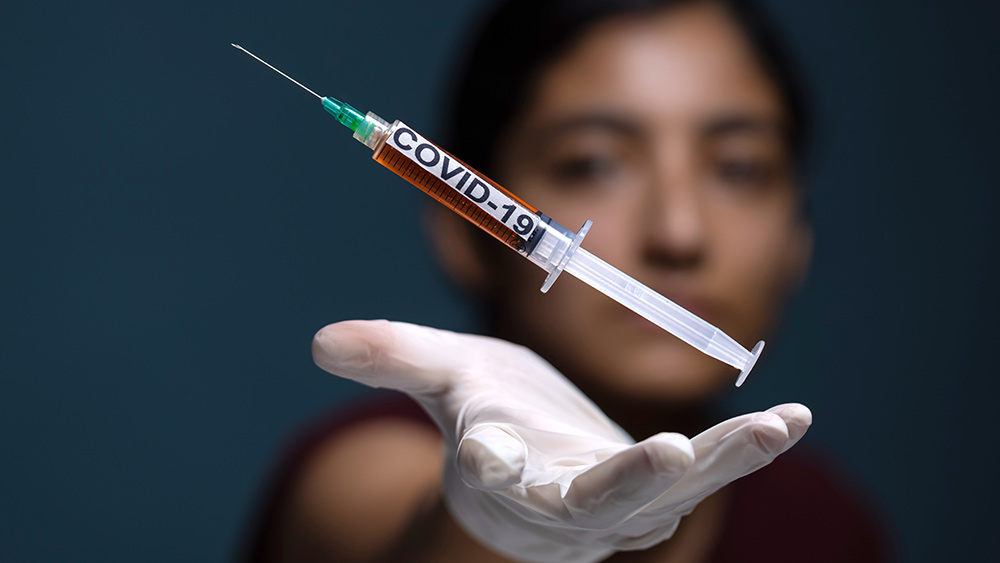
A fifth of people in the UK may refuse to be vaccinated against coronavirus when a jab is available, a major study warned.
Researchers found a ‘concerning level of misinformation around vaccines’ which could significantly affect uptake once a Covid-19 vaccine is approved.
In the largest survey of its kind, 22 per cent of people said they were unlikely to be vaccinated with 10 per cent strongly opposed to it.
Just half (49 per cent) of the 17,500 people asked by University College London researchers said they ‘very likely’ to be immunised, while three-quarters (78 per cent) said they considered it ‘likely’.
Concerns over vaccine safety, mistrust of pharmaceutical companies and a preference for natural immunity were some of the factors behind the low uptake, which authors stressed ‘lack any basis in fact.’
The findings add to growing concerns over social media being overwhelmed by ‘anti-vaxxer’ myths and scare stories.
Almost one in three (30 per cent) had substantial beliefs that vaccines can cause unknown future problems, while one in seven (15 per cent) said they believed to varying degrees that vaccines do not work.
Dr Daisy Fancourt, from UCL’s Institute of Epidemiology and Health Care, said: ‘Our study highlights a concerning level of misinformation around vaccines, which could significantly affect uptake once a Covid-19 vaccine is approved.
‘Whilst the majority of people have said they are likely to get a Covid-19 vaccine once one is available, a worrying amount of respondents have said that not only will they not get the vaccine, but that they don’t believe vaccines work or worry about potential side-effects, concerns that lack any basis in fact.’
I’d be less concerned about the Russian vaccine regards contaminants but there is no pandemic so it’s still not needed. And I think they’ll suppress news about people saying if they’re forced to take one they’ll Russia’s. They will likely ban it, because irony of ironies, they’ll claim its safety is in doubt.
Not good enough, it needs to be Four Fifths.
Dr Daisy Fancourt from UCL’s Institute of Epidemiology and Health Care “People worry about potential side-effects, concerns that lack any basis in fact.”
Presumably this Doctor hasn’t heard about $5billion the US Government has paid out in compensation for vaccine injuries.
Vaccines are one of the best weapons the enemy has got. At my junior school the daftest lads were the most proud of the vaccine mark on their arm and it was generally clear that this was a case of b.s. from authority, one of many a live mind will bat away for six.(as in cricket)
@Peter
It’s more than a fifth. Just reading the words “a major study” and UCL, spell – propaganda bollocks. Who did they ask? How old were they? Where do they live?
I would actually think it’s at least 50/50, if not more refusals.
They always fudge the numbers when in panic mode. Just look at the numbers they give for the demonstrations worldwide.
There is no real point to these articles because all they do is try to make people feel marginalized.
A large majority of NHS staff are refusing the flu vaccine this year. Zero chance of them taking the Covid vaccine.
Dr Daisy is obviously blissfully ignorant of the damage done to tens of thousands of children in India and Africa who were given the Bill Gates polio vaccine and whose lives are now destroyed. Not forgetting the forty odd thousand kids who actually died from it in India. Maybe Dr Daisy is looking for a job with the WHO as one of the demon Bill Gates’ minions.
‘Whilst the majority of people have said they are likely to get a Covid-19 vaccine once one is available, a worrying amount of respondents have said that not only will they not get the vaccine, but that they don’t believe vaccines work or worry about potential side-effects, concerns that lack any basis in fact.’ – If those concerns lack any basis in fact, why does the EU’s deal to buy AstraZeneca’s Covid-19 at a discount ‘mean countries have to cover compensation costs if the jab causes negative side effects’ – AstraZeneca is going to make huge profits for its vaccine but is unwilling to pay damages. Therefore, there must be a huge risk in taking the vaccine.. not so?